Tapping into a Dream

Fall Issue '24 - Online Shop
I remember April 10, 2010, vividly—the day my brewing career started. I was the new assistant brewer at North Peak Brewing Company, one of the three breweries in Traverse City at the time. When I showed up to work, my boss told me to remember the date, as if sensing something I didn’t.
I’d landed the job after a chat with a bartender about my unremarkable attempts at home brewing. At that point, I didn’t even call myself a brewer. My beers sometimes tasted like movie popcorn, band-aids, or cardboard. Fortunately, my roommates were good sports and consumed my experiments.
I didn’t really know what an assistant brewer position entailed, so I had to research it so they wouldn’t regret hiring me. It turned out that the role mainly involved cleaning and cellaring work—tasks that seemed basic but are crucial to master to avoid ruining a great beer. That first day at North Peak, observing all the action in the small space, I saw everything I wanted: hands-on work, creativity, variety, and good people.
I decided right then that I would find a way to cut my college plans short to be a part of the craft beer industry. I called my mom and told her. She hung up on me…

I’d been planning on a culinary or engineering degree up until then and had invested a lot in starting down that path. It was a big pivot—but not as much as it seemed at first. When I went all-in on brewing, I realized it combined skills from both the culinary and engineering fields; the art of blending ingredients and maintaining and repairing specialized equipment. Despite the lack of enthusiasm from my family, I started to feel sure.
It really helped that the craft beer community in Traverse City is exceptionally supportive. At the time the local breweries were just North Peak, Right Brain, and Mackinaw Brewing Company. The small community had big enthusiasm and a spirit of collaboration and friendship that hooked me. Luckily, that culture is still there, even now that there are more than fifteen breweries in the area.
Traverse City’s small craft breweries connect with our region in ways that larger breweries cannot. They use regional ingredients like barley from Great Lakes Malting and hops from a few local farmers. They trade yeast and ingredients when another brewery is low. They have dart boards and ping pong in their basements. They host trivia, bingo, and bands.
The connections I made, and felt, at North Peak were transformative. Kim Schneider was my primary mentor. She taught me the essentials of brewing, from mastering sanitation to understanding the complexities of fermentation. When Kim left, I felt ready to seek out more experimental environments to broaden my skills.
Over the next five years, I immersed myself in diverse roles across the brewing industry. There were a lot of roles and great mentors, and each of them taught me something essential. At Right Brain Brewery under the guidance of Corey Wentworth, I explored creative and technical aspects of brewing with unique ingredients, learned equipment maintenance, and even supported relocating the brewery. I contributed to the design and setup of Stormcloud Brewing Company, deepening my knowledge of Belgian beers and water treatment. Next was a distiller role at Grand Traverse Distillery trying out new but familiar techniques. Then I reconnected with Corey Wentworth at Workshop Brewing Company. Because I wasn’t quite busy enough yet, I also took on various side jobs at friend’s breweries—accepting beer as payment.
The Traverse City craft beer community is incredibly supportive, embodying the spirit of "a rising tide lifts all boats," and I am proud to be a part of it. In 2016, I helped Tina Schuett, brewer at Rare Bird, establish a nonprofit organization called Pour for More, which enables local breweries to give back to their communities. Since its founding, Pour for More has donated over $270,000 from select beer sales at local breweries, providing grants to area nonprofits to support their respective missions.

When I became the head brewer at The Filling Station Microbrewery, I eagerly took on new responsibilities like managing ingredient orders, regulatory compliance, and system overhauls. The Klepper family was great to work for, and I felt as a brewer there wasn’t a better place to be in Traverse City. Hiring the talented Thomas Hodges as an assistant brewer significantly improved our production consistency and allowed us to start producing cider in-house and canning small beer runs. This place and these people—and everything before it—gave me the confidence to pursue my long-term goal of owning my own brewery. I left the Filling Station in competent hands. A dream was driving me forward.
The Road to Ownership
Pursuing brewery ownership was tougher than I’d anticipated. I realized that succeeding in the craft beer industry required much more than brewing knowledge. Being successful in today's environment often requires a strong front-of-house presence with quality food and engaging experiences. Because I wanted to focus on brewing and reduce administrative tasks, I needed to find a business partner. A huge challenge.
My early attempts to secure financing and find a suitable location were also fraught with obstacles due to high costs and complex requirements, such as the need for robust municipal connections and specialized equipment. After working on multiple brewery projects that all seemed promising, even getting to the point of financing approval and architectural drawings, I wasn’t sure it was going to happen.
The craft beer industry had been in a boom phase. Breweries were popping up everywhere. From 2000-2010, Michigan went from having only a few craft breweries in larger metros to around 80 breweries. By 2020, there were over 400 breweries in the state! Around that time, market saturation collided with declining demand. A “build it and they will come” mentality wasn’t going to cut it in a time of tough distribution and slim margins.
While the number of craft beer drinkers had grown rapidly from 2012 to 2019, it has since plateaued. When this happened, even established breweries needed to do more to succeed, from investing in an inviting space to purchasing additional licenses for wine, cider, and distilling to diversify.
Considering the early signs of these market declines and a lot of personal setbacks, I started to get tired of trying and thought maybe ownership wasn’t for me. Then came the breakthrough—I connected with Mike Mohrhardt through a local realtor, who was looking to open a new brewery.

Loco Boys Brewing Company started to come into focus. Mike’s well-developed business plan and vision for the brewery convinced me to partner with him. After months of looking, we found an ideal location. It had been home to the original Oleson's grocery store and then later Impres salon.
The building needed significant modifications to fit the brewing equipment, such as cutting out a large section of the main floor. The construction phase was demanding, and I faced periods of financial uncertainty without a full-time job. The Filling Station kept me on staff for almost a year after I informed them I was leaving, which I will always be grateful for. This support and the excitement of bringing my vision to life kept me motivated and focused.
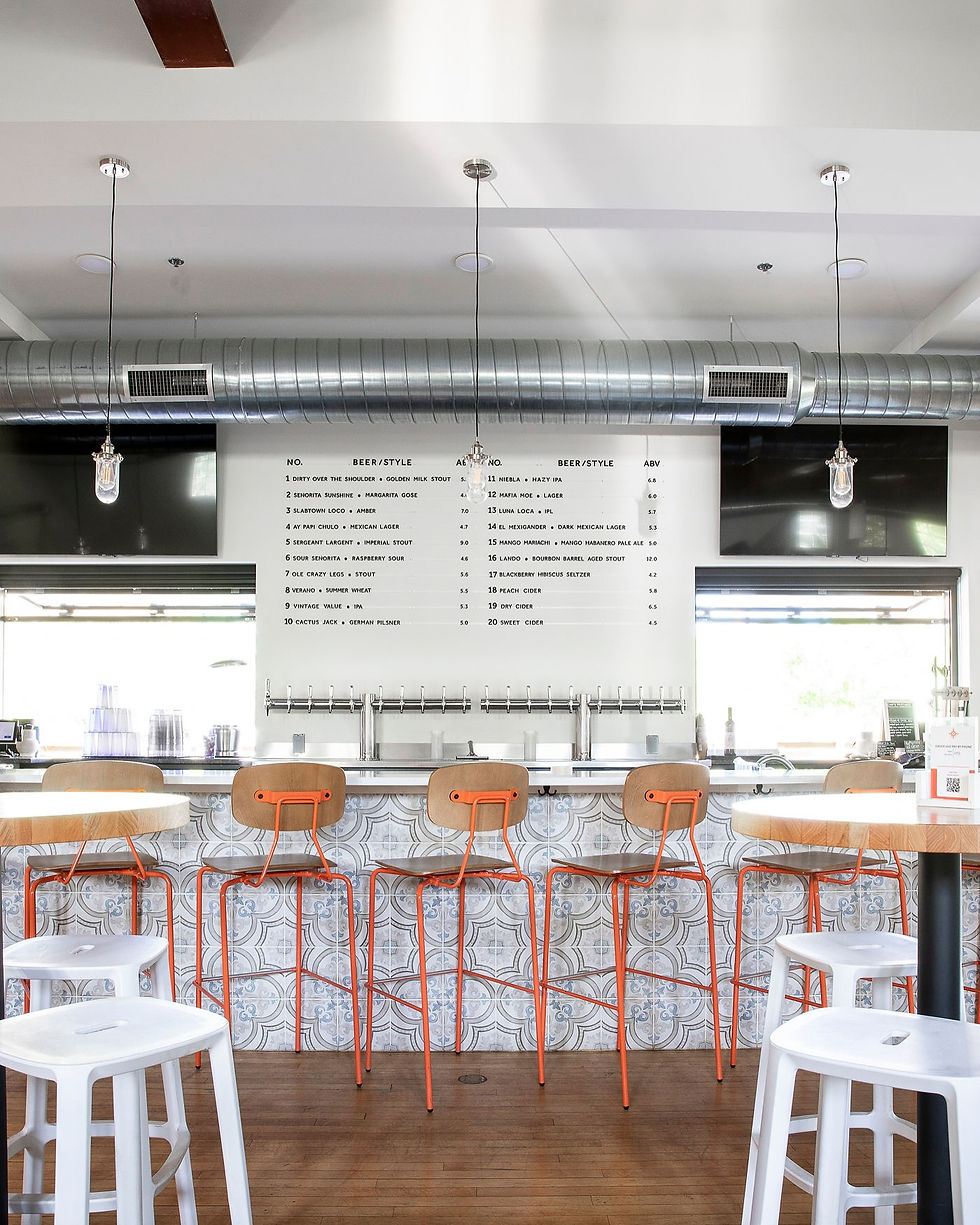
Designing the brewhouse and watching it come to life was so fulfilling. We were sticking to high standards, creating a distinctive and inviting space, and preparing to provide top-notch food and service. Mike had an excellent vision for the restaurant space. Our amazing Chef, Bryon Figueroa (Fig), and our awesome staff came on board and exceeded expectations. It was all happening.
What Happens Now
The craft beer landscape has evolved dramatically since my early days of brewing. There’s been a lot of adapting and collaborating, like my recent collaborations with Chris Cargill at Stonehound Brewing and Jeff Malkiewicz at Great Lakes Malting. The next few years will show us where the craft brewing industry is headed, and I can tell you that there are many new surprises in the works for some of our local breweries—new expansions, locations, and beverage offerings. I was just at the new soft opening of Silver Spruce’s new location, and I’ve stopped in at Earthen Ales’ new satellite location called Tank Space. Justin Rivard, who has a similar story to mine, is about to open Nocturnal Brewing. I’ve enjoyed sharing my brewing equipment knowledge as he designs his own brewhouse. Throughout my journey, I have learned a lot from the craft beer community and take any opportunity to pay it forward.
Through all this change, the one thing that I want to help preserve is this local brewing community’s unique vitality. The legacy of our craft breweries will be offering a place where friends, families, and even kids can come to enjoy their time together.
BIO
Traverse City native, Andy Largent, has been brewing beer on a commercial scale for more than a decade, earning a number of regional and local awards. He has been instrumental in helping multiple breweries in northern Michigan in their early stages, whether it’s growing their production, brewing, designing, building, and/or installing new and existing equipment, Andy has done it. Outside of brewing, Andy enjoys spending most of his time exploring the outdoors on his mountain bike or on skis.
Fall Issue '24 - Online Shop


